
11 Min Read
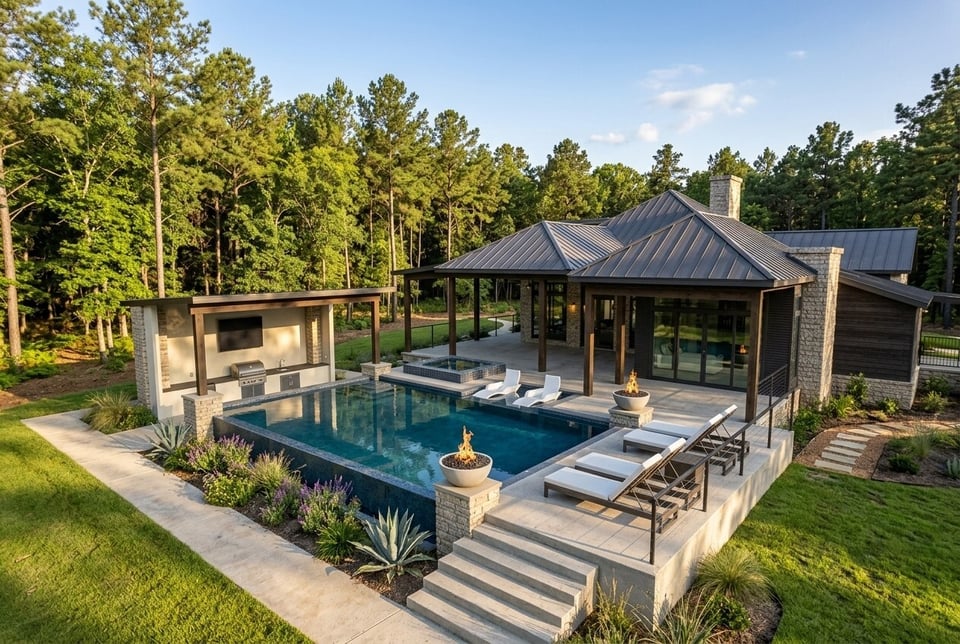
You've found a beautiful piece of land in East Texas, with tall pine trees and plenty of room for the custom home you've been imagining. You can already picture the finished house, with a long driveway and a back porch overlooking the property. It seems like the perfect place to build, but how do you know whether the land is right for your plans?
Buying land to build a house is more work than many prospective homeowners realize. A lot might look like it checks off every box during a showing, but it may have soil conditions that require additional foundation work or restrictions that affect where you can build. Even connecting basic utilities can become a significant expense if you're wanting to build in more rural areas. So before you make an offer, you need to carefully inspect the property and understand what it will take to build there.
In this guide, we'll look at what you should know as you search for land for your custom home.
Go to the sections you want to read using the links below:
- How Do You Choose the Right Land for a Custom Home?
- Check the Soil, Drainage, and Terrain Before Buying Land
- Find Out What Utilities Are Available on the Property
- Review Property Boundaries, Easements, and Building Restrictions
- Understand the Costs of Preparing Land for Construction
- What Permits Do You Need to Build a Home in East Texas?
- Should You Talk to a Custom Home Builder Before Buying Land?
- A Land-Buying Checklist for Your East Texas Custom Home
- Frequently Asked Questions About Buying Land in East Texas
How Do You Choose the Right Land for a Custom Home?
There's a lot to love about owning land in East Texas. You might be drawn to a wooded property outside Tyler, where you can enjoy more privacy, or a spacious lot in Longview that's close to the places you visit every day. As you explore different properties, consider the kind of home you want to build and how you envision using the land.
For example, a sprawling single-story house will generally need a larger building footprint than a two-story home of similar square footage. If you've been imagining an attached three-car garage or a detached workshop, those features will also influence how much space you'll need.
The property's location deserves just as much consideration. A homesite several miles outside town may offer the peace and privacy you're looking for, although you'll want to consider how the commute and proximity to everyday amenities fit your routine.
How Much Usable Land Do You Need?
A five-acre property may sound like plenty of room, but the amount available for construction could be considerably smaller. Easements and building setbacks may limit where structures can be placed, while steep slopes or drainage areas could make certain portions difficult to develop. If you're considering wooded acreage, picture where the house could stand and how you'd reach it from the road. You may be able to preserve many of the mature trees while clearing enough space for construction, depending on the layout of the property.
You don't need completed architectural plans to begin looking for land. However, knowing the approximate size of your home and whether you want additional buildings will make it easier to assess the properties you visit.
Check the Soil, Drainage, and Terrain Before Buying Land
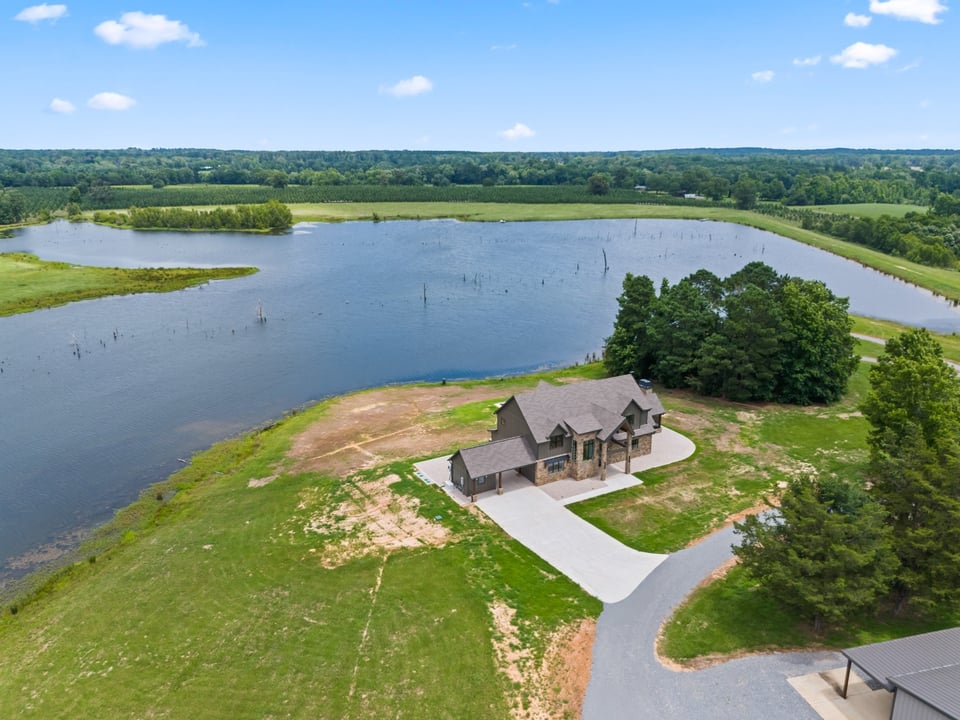 East Texas is known for its pine forests and rolling landscapes, but the terrain can vary considerably from one property to the next. Even land that appears fairly level from the road may slope toward the back or have low areas where water collects after a heavy rain. These conditions matter when determining where the foundation will go and how much site preparation may be required.
What East Texas Soil Conditions Mean for Building
Soils across East Texas range from sandy deposits to clay-rich soils. Some clay soils expand when they absorb moisture and shrink as they dry, which can contribute to foundation movement if the foundation isn't designed for the conditions. A geotechnical engineer can evaluate subsurface conditions and recommend the foundation design requirements for your particular property. Depending on the findings, the home may need additional engineering or site preparation work.
You can get a preliminary understanding of the soil types on a property through the USDA's Web Soil Survey, which provides mapped soil information for locations throughout East Texas. However, these maps cannot replace the site-specific testing that may be needed for foundation design.
Pay Attention to Drainage and Flood Risk
If possible, visit the property after a substantial rainfall. You may notice areas where water pools or follows natural drainage paths that weren't apparent when the ground was dry.
Properties near creeks and other waterways deserve particular attention. The FEMA Flood Map Service Center can help you determine whether the property lies within a mapped flood hazard area. A property within a floodplain may still be suitable for residential construction, although additional development requirements could apply. Building elevations and flood insurance considerations may also affect your plans.
Building on Wooded Land in East Texas
Mature pine and hardwood trees can be part of what makes a property so appealing. If you want to keep that wooded setting, you'll need to consider how the house and driveway can fit among the existing trees. The construction area must accommodate equipment access and utility installations, with enough space cleared to build safely.
Tree removal can involve several expenses:
- Clearing: Removing trees and undergrowth from the proposed construction area.
- Stump and root removal: Preparing areas that will support structures, pavement, or other improvements.
- Debris disposal: Hauling away or otherwise properly managing the cleared material.
- Additional grading: Preparing the ground once the necessary trees have been removed.
You may be able to preserve trees around the home, particularly along property boundaries or in areas that won't be disturbed during construction. A builder and qualified tree professional can help evaluate which trees can safely remain near the proposed homesite.
Find Out What Utilities Are Available on the Property
Imagine finding a beautiful ten-acre property where you'd like to build your home several hundred feet back from the road. There's plenty of space for the house, and you love the privacy. But how will electricity and water reach the building site? On undeveloped land, utility availability can affect both your construction budget and the amount of work required before building begins.
Electricity and Water Access
Power lines along the road don't necessarily mean electrical service will be easy to establish. Depending on the location of your homesite, the utility provider may need to install additional equipment or extend its infrastructure. Before purchasing, contact the company that serves the property and ask about service availability. If you already have an approximate house location in mind, share that information so the provider can better explain the connection requirements.
Water access also varies throughout East Texas. Properties near established neighborhoods may connect to public water systems, while rural acreage may require a private well. If a well is necessary, groundwater availability and well installation costs deserve investigation. The Texas Water Development Board's groundwater database includes records that can help with preliminary research, although a qualified local well professional should assess conditions for the specific property.
Will You Need a Septic System?
Many rural East Texas homes rely on septic systems because public sewer connections aren't available. The type of system you can install depends on conditions such as the soil, available disposal area, and the property's characteristics. Some sites may accommodate conventional systems, while others require an alternative treatment or disposal method.
The Texas Commission on Environmental Quality explains the site evaluation process used to determine the appropriate system. Septic construction generally requires a permit and approved plan, subject to limited exemptions. If you're looking at a smaller parcel, don't assume you'll have enough room for a septic system simply because the house fits. The system's location and required separation distances can influence the usable building area.
Before moving forward with rural land, confirm whether reliable internet service is available. Coverage can vary considerably, even between neighboring properties.
Review Property Boundaries, Easements, and Building Restrictions
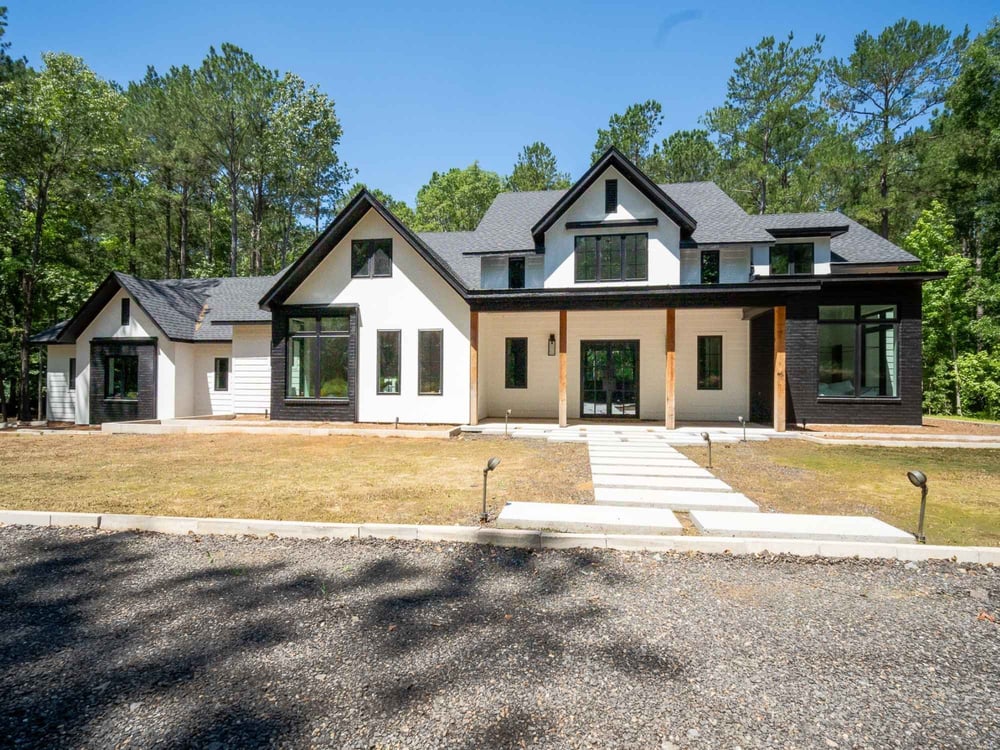
You may have found several acres that appear to offer complete freedom to build whatever you want. However, a utility easement running across the property or a restriction recorded in the deed could affect your plans. A careful review of the property's legal documents can help you understand how the land may be used.
Verify the Property Boundaries and Road Access
A current survey can establish the property's boundaries and identify features that may affect construction. If the seller has an existing survey, find out whether it meets the requirements of your title company and other professionals involved in the purchase. If you're buying land in a rural area, make sure you have legal access to the lot before you move forward with building plans.
Some East Texas properties sit behind other parcels and rely on shared driveways or private roads. An established road crossing neighboring land doesn't necessarily guarantee your right to use it. You'll want to confirm that access is legally documented and adequate for the intended use of the property.
Understand Deed Restrictions and Easements
An easement gives another party certain rights to use part of the land. A utility company, for example, may have the right to access a strip of the property to maintain electrical lines or other infrastructure.
Deed restrictions may place additional conditions on construction. Depending on the property, they could affect:
- Minimum home size or building setbacks
- Exterior construction requirements
- Placement of detached garages or workshops
- Use of the property for certain activities
Even land advertised as unrestricted may be subject to applicable government regulations. Mineral rights are another consideration in Texas, particularly when purchasing larger rural properties. Ownership of the minerals beneath the property may be separate from ownership of the surface land.
Texas A&M AgriLife Extension's rural land purchasing checklist addresses several of these legal concerns, including access, easements, and ownership rights. A title professional or real estate attorney can help you investigate any issues raised during your review.
Understand the Costs of Preparing Land for Construction
Two properties listed at similar prices can have very different construction requirements. One might be a cleared, relatively level lot with nearby utilities. Another could be heavily wooded acreage where the best location for the house sits a long distance from the road. The second property may offer more privacy, but preparing it for construction could require a larger investment.
As you compare properties, consider the work needed to create a suitable homesite.
| Site Preparation Expense | What May Affect the Cost |
|---|---|
| Land clearing | Number and size of trees, stump removal, and debris disposal |
| Grading and drainage | Property slope, soil conditions, and required drainage improvements |
| Driveway construction | Length, terrain, culverts, and surface material |
| Electrical service | Distance from existing infrastructure and provider requirements |
| Water service | Public water availability or private well installation |
| Septic installation | Soil conditions and required system design |
| Surveying and testing | Existing documentation and professional evaluations needed |
How Much Should You Budget for Site Preparation?
There isn't a single amount that applies to every East Texas property. A mostly cleared lot in an established area may need relatively little preparation, while a rural tract could require considerable clearing and infrastructure work. Suppose you have a total budget for purchasing land and constructing your house. If you spend more than expected preparing the property, you'll have less available for the home's construction unless you increase the overall investment.
You may find that a more expensive lot with existing infrastructure is a better financial fit for your plans. On the other hand, you might decide that the additional development work is worthwhile to build on acreage you particularly love. While working out your custom home construction budget, include preliminary estimates for the improvements the land will need. Ask contractors and utility providers to evaluate the specific site rather than relying on average figures that may not reflect the property's conditions.
What Permits Do You Need to Build a Home in East Texas?
Building requirements can vary depending on where your property is located. Land within the city limits of Longview or Tyler may be subject to municipal zoning and building regulations, while unincorporated areas of Gregg and Smith counties have different requirements.
For rural properties, some of the approvals you'll need may relate to infrastructure rather than the house itself. For example, septic systems generally require permits, and construction within a regulated floodplain may require additional review. If your property connects directly to a state-maintained highway, the Texas Department of Transportation requires a driveway access permit for a new driveway connection.
Before purchasing, contact the appropriate city or county offices to confirm the rules for the property you're considering. You may also need to review subdivision requirements or recorded deed restrictions that affect where you can build. If you're planning to purchase land through a rural acreage sale, ask about any existing surveys, development approvals, or prior site evaluations. Those documents may provide useful information as you determine what additional work is needed.
Should You Talk to a Custom Home Builder Before Buying Land?
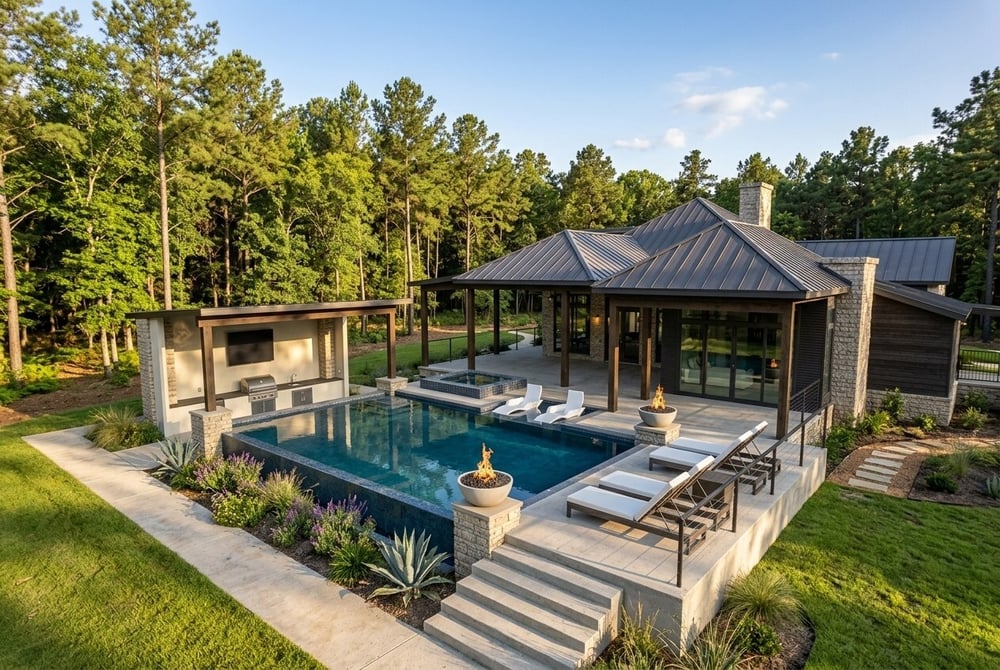 If you've found a property you love, you might be eager to purchase it before someone else does. However, having a conversation with an experienced custom home builder before you commit can help you understand how well the land might accommodate your plans.
You may be imagining a house positioned at the highest point of the property, overlooking the surrounding trees. That location could offer beautiful views, but the slope may affect driveway access or require additional foundation work. An experienced builder can help you explore possible house locations and identify conditions that warrant further investigation. The size of your intended home also matters. A large single-story house may need a broader area of relatively level land, while a two-story design could give you more flexibility with its smaller footprint.
Think About Your Home Design While inspecting the Land
You probably have some ideas about what you'd like your home to look like, even if you're still deciding on the details. Maybe you want a wall of windows overlooking the backyard or a generous covered porch where you can enjoy evenings outside. Those features can influence how you'd like the house positioned.
In East Texas, the orientation of your home can make a noticeable difference in how sunlight enters the rooms throughout the day. If you're drawn to the spacious porches and outdoor living areas found in many custom homes across East Texas, you'll want to consider how those spaces will relate to the afternoon sun and the surrounding landscape. It's also important to discuss the property with your builder before the plans take shape. When you're choosing a custom home builder, ask how they account for the lot's natural features during design and whether they'll help you evaluate potential construction challenges before you purchase.
A Land-Buying Checklist for Your East Texas Custom Home
Once you've found a promising property, there are a few things you'll want to confirm before finalizing the purchase. Many of these considerations also come into play during the early stages of planning a custom home build.
- Confirm the buildable area. Make sure the intended home and any additional structures can fit within the usable portion of the property.
- Review the survey and title documents. Verify property boundaries, legal access, easements, and recorded restrictions.
- Investigate soil and drainage conditions. Determine whether professional evaluations are needed to understand foundation or drainage concerns.
- Verify utility availability. Confirm electricity and water service options, along with septic feasibility where public sewer isn't available.
- Review applicable regulations. Find out which permits and development requirements apply to the property.
- Estimate site preparation expenses. Account for clearing, grading, driveway construction, and utility installation.
- Discuss the property with a builder. Consider how your preferred home design would fit the proposed building location.
Depending on the property, you may also want to investigate financing and closing conditions. Rural land loans can have different requirements from conventional home mortgages, and it's important to understand how the land purchase will fit into your overall financing plan.
If you're making an offer before completing your site evaluations, discuss appropriate inspection periods and contingencies with your real estate agent or attorney. You want adequate opportunity to investigate the property's suitability before you're contractually committed to buying it.
Frequently Asked Questions About Buying Land in East Texas
Find the Right Land for Your East Texas Custom Home
 At Bort Custom Homes, we've been helping East Texas homeowners bring their plans to life since 1994. We're a family-run company, and our approach to custom home design begins with walking your property and getting to know how you want to live. Gary Bort works with you to develop the floor plan, while our team creates detailed 3D renderings that allow you to experience the design before construction begins.
Because we also build custom homes, the people who develop your plans remain involved as the project moves into construction. Our design-build process gives you continuity from the first drawings through the finished home, with our family working closely with yours along the way.
If you've found land near Longview, Tyler, or elsewhere in East Texas, we'd love to hear about the home you're imagining. Tell us about your plans, and we'll help you explore how to bring them to life.

